
Introduction
Screen and storm doors serve vital roles in enhancing the functionality, aesthetics, and energy efficiency of homes. While often confused with one another, these doors fulfill different purposes and offer distinct benefits. This comprehensive guide will explore the definitions, benefits, installation, and removal of both screen and storm doors, as well as factors to consider when selecting the right door for your needs. Whether you’re looking to improve ventilation, protect against elements, or enhance curb appeal, understanding these doors will help you make an informed decision.
Understanding Screen and Storm Doors
Definition and Purpose of Screen Doors
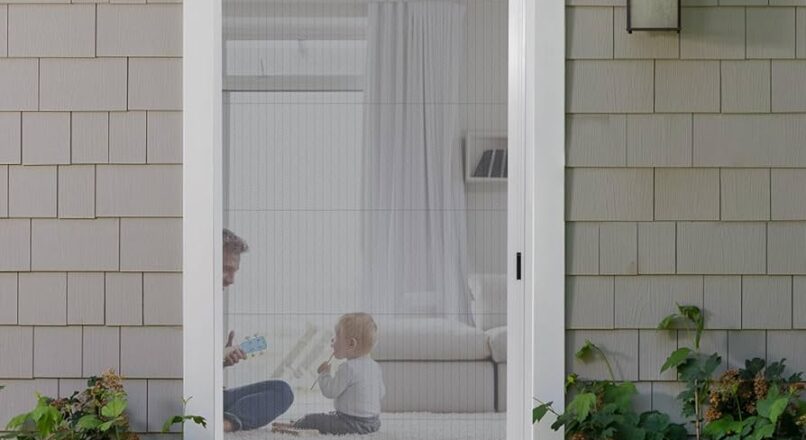
Screen doors are designed primarily to provide a barrier against insects and debris while allowing fresh air to flow into a home. Typically made of a lightweight frame with a mesh screen, they are commonly installed in front of exterior doors. They allow homeowners to enjoy the benefits of open doors without the worry of pests, making them particularly useful during warmer months. While screen doors can be functional, they also come in various styles, adding charm and character to the entryway.
Definition and Purpose of Storm Doors
Storm doors, on the other hand, serve as an additional layer of protection against harsh weather conditions. They are typically made of durable materials like fiberglass, aluminum, or steel and are fitted with insulating glass panels. This design helps to keep out cold drafts in winter, protects entry doors from damaging weather, and can even help improve energy efficiency by reducing heat loss. Storm doors can also feature screens that can be swapped out in warmer months, combining the benefits of both door types.
Benefits of Installing Screen and Storm Doors
The installation of screen and storm doors offers numerous advantages. Screen doors improve ventilation, allowing fresh air to circulate while keeping insects out, which is especially beneficial during summer months. They can also enhance the aesthetic appeal of your home with various design options available.
Storm doors have a different set of benefits, including increased insulation, which can lead to lower energy bills. They protect entry doors from the elements, extending their lifespan, and can also provide an extra layer of security when locked. Additionally, storm doors can reduce outside noise, making your home quieter and more comfortable.
Removal of Existing Doors
Tools Required for Door Removal
Before removing existing screen or storm doors, it is essential to gather the necessary tools. Common tools required for this task include: a screwdriver (flathead and Phillips), a pry bar, a utility knife, a hammer, and safety goggles. Having these tools readily available ensures a smoother removal process.
Step-by-Step Process for Removing Screen Doors
To remove a screen door, follow these steps:
- Begin by securing the door to prevent it from swinging open during the removal process.
- Using the screwdriver, remove the screws from the hinges. If the door is painted, you may need to cut through the paint with a utility knife.
- Once the screws are removed, carefully lift the door off the hinges and set it aside.
- Check the door frame for any screws or brackets that may need to be removed, and use a pry bar if necessary to remove any remaining parts.
Step-by-Step Process for Removing Storm Doors
Removing a storm door involves a similar process but may require additional steps due to the heavier materials and insulation:
- Start by inspecting the door for any screens or glass panels that can be detached before the main structure.
- Remove any screws from the handle and lock mechanism to detach them from the door.
- Unscrew the hinges using the appropriate screwdriver. Support the door as you do this to prevent it from falling.
- Carefully lift and remove the door from the frame, ensuring no parts are left attached.
Installation of New Doors
Tools and Materials Needed for Installation
Proper installation of screen and storm doors requires specific tools and materials to ensure a successful outcome. Essential tools include a level, tape measure, drill, screws, and a screwdriver. Additionally, you’ll need the door itself, weather stripping, and any necessary brackets or hinges specific to the door design.
Step-by-Step Process for Installing Screen Doors
Installing a screen door can be a straightforward process when following these steps:
- Begin by ensuring the door frame is clean and free from debris.
- Position the screen door in the frame, checking for a proper fit with a level.
- Secure the hinges to the door frame, typically attaching the top hinge first for stability.
- Once the hinges are attached, test the door swing to ensure it opens and closes smoothly.
- Install the handle and latch, following the manufacturer’s instructions for alignment.
Step-by-Step Process for Installing Storm Doors
The installation process for storm doors is similar but requires a few additional considerations:
- Start by measuring the door frame to ensure the storm door is the correct size.
- Prepare the frame with weather stripping to enhance insulation and prevent drafts.
- Attach the hinge side of the storm door first, ensuring it is level and secure.
- Install the opposite side, followed by the top hinge, ensuring a balanced swing.
- Finally, add the latch or handle, ensuring it aligns correctly for ease of use.
Choosing the Right Door for Your Wants and Needs
Factors to Consider When Selecting a Screen Door
When choosing a screen door, consider factors such as material, style, and functionality. Screen doors are available in wood, aluminum, and vinyl, each providing different aesthetic and durability benefits. Aluminum is lightweight and resistant to rust, while wood offers a classic look but may require more maintenance.
Additionally, consider whether you want a retractable screen, which can be hidden when not in use, or a traditional fixed screen. Style is essential too; the door should complement your home’s exterior while meeting your functional needs.
Factors to Consider When Selecting a Storm Door
For storm doors, insulation and durability are paramount. Look for doors with high energy efficiency ratings and materials that can withstand the local climate. The door’s thickness can also play a role in insulation, with thicker doors generally providing better protection.
Design and aesthetics should not be overlooked either. Many storm doors come with customizable features such as decorative glass or color options, allowing you to personalize your door while maintaining its protective function.
Exploring Colors and Styles for Your Doors
The visual appeal of screen and storm doors can significantly impact the overall look of your home. Screen doors are available in numerous colors and designs, ranging from classic white to vibrant hues that can add a pop of color to your entryway.
Storm doors also come in various styles, including full-view, mid-view, and half-view configurations. Each style allows for varying degrees of visibility and ventilation, making it essential to choose one that aligns with your preferences and home decor.
How to Match Your Door with Home Aesthetics
Matching your screen or storm door with your home’s aesthetics involves consideration of the architectural style, color scheme, and surrounding landscape. For traditional homes, a wooden screen door may complement the charm, while a sleek aluminum storm door may suit contemporary designs.
Consider the existing color palette of your home when selecting a door. Neutral colors often provide versatility, while bold colors can make a striking statement. Ensure that the door style harmonizes with your home’s overall design, enhancing its curb appeal.
Conclusion
Screen and storm doors provide essential benefits in terms of ventilation, protection from the elements, and energy efficiency. Understanding the differences between them can help homeowners make informed decisions when it comes to installation and selection. Proper removal and installation techniques ensure that doors function effectively while enhancing your home’s appearance.
In summary, this guide has covered essential aspects of screen and storm doors, including definitions, benefits, and the processes involved in their removal and installation. By considering the factors presented, homeowners can select the right door that aligns with their needs and complements their home’s aesthetics.
FAQs
What is the main difference between a screen door and a storm door?
The main difference lies in their purpose: screen doors are designed to allow ventilation while keeping insects out, whereas storm doors provide insulation and protection from harsh weather conditions.
Can I install a screen door over a storm door?
While it is technically possible, it is not commonly recommended due to space constraints and potential complications with door operation. Instead, consider using a storm door with a built-in screen feature.
How do I maintain my screen and storm doors?
Regular maintenance includes cleaning the screens, checking for damage, and ensuring that hinges and latches operate smoothly. Inspect weather stripping for wear and replace it as needed to maintain energy efficiency.
Are storm doors energy-efficient?
Yes, storm doors can significantly enhance energy efficiency by providing an additional layer of insulation, reducing heat loss in winter and keeping cool air inside during summer.
What styles of screen doors are available?
Screen doors come in various styles such as sliding, retractable, and traditional hinged doors, allowing homeowners to select one that fits their aesthetic and functional needs.

Leave a reply