
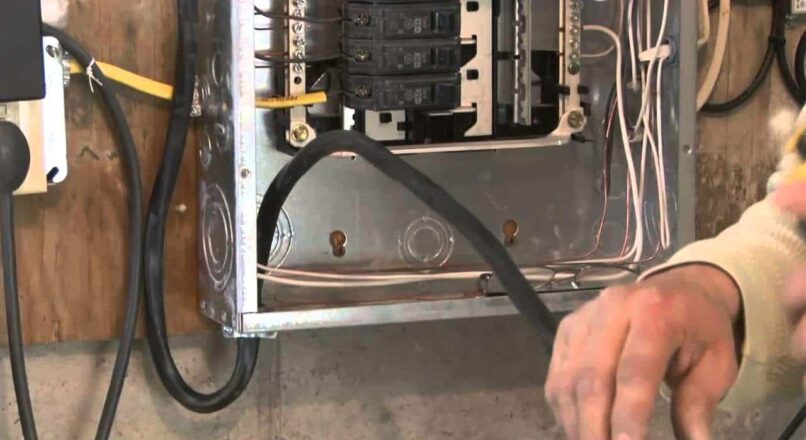
In this how-to install a sub-panel installation I will guide you through the complete installation of a subpanel step by step.
The first question is why are you installing a subpanel. There are either one or two reasons to do this. One because you need more room in your existing panel and in that case if your existing panel is old this would be a great time to just upgrade your current service. Newer 200 amp main panels hold a lot more circuits/breakers.
Two, because you need to bring more power somewhere else like a garage you just built or addition or even in some cases a finished basement. Either way, you want to install a subpanel. Ok. So let’s get going.
First: Where do you plan on placing the new sub-panel? If it’s right next to your main panel that’s one thing, but further away like in that new garage you just built 100 feet away you will certainly want to figure in voltage drop. I can’t get too much into that because every setup would be different.
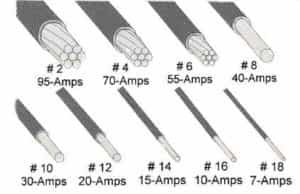
Second: How many amps are you needing for the new sub-panel. So let’s say you need 50 amps. Well, it’s not brain surgery, 50 amp sub panel, 50 amp wire, 50 amp breaker in the existing main panel. See wasn’t that easy.
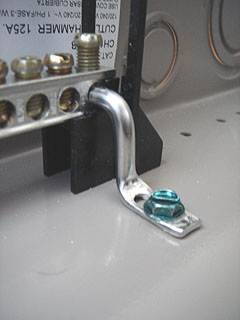
Neutral Bonding Jumper:
This is very very important. This is also known as a bonding screw. It may even be green. This screw is used to bond the neutral coming in the main panel to the case “panel” itself. however, in a sub panel, the neutral bus bar must be totally isolated from the ground. The very first thing the electrical inspector is going to look for is if the sub-panel is bonded or not.
Now as far as wiring the panel. You would wire it just like any other panel. Hot leads to the breakers, grounds to the ground bus bar, and neutrals to the neutral bus bar.
But Why Do You Need To Remove The Green Screw?
Because the neutral only gets bonded at 1st means of disconnect so any unbalanced load only has one true path to the ground and that’s at the power source.
You would install a 220-volt two-pole breaker in the main existing panel. Whatever the amperage is that you’re using. That breaker gets installed in the main panel of course. This is now the main breaker to your sub-panel. By turning this breaker on or off will control the entire subpanel.
Always remember safety first. Turn the main power off before removing panel covers or touching any wires.

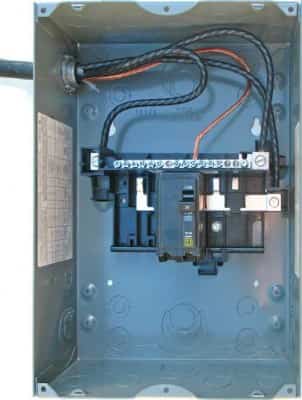
You will need a 4 wire, wire between each panel. No matter how the panel is, this part will always stay the same. You will have two hots, one neutral and one ground. Two hots will go from the new breaker you just installed in the main panel to the sub-panel. A neutral will go from the neutral bus bar in the main panel to the NON bonded bus bar in the sub-panel and ground from the ground bus bar in the main panel to the bus bar in the new sub-panel.

Comments ( 74 )
Hi – I love the video however I have a question. We have a cable running from a 50 Amp breaker in the main panel through the wall and upstairs to the kitchen where it used to go to a range. The cable is two conductor (2 hot and a ground). We are installing a cook top and a wall oven which together draw less than 50 Amps. We are installing a sub panel in the kitchen with a separate breaker for the oven and cooktop. The oven cable has 2 hot, neutral and ground and the cooktop has 2 hot and a ground. With no neutral going back to the main breaker the only option I have is to connect the ground bar to the neutral bar to make sure I have a return. This is not code according to your write up, so any suggestions? Changing the wire between the main panel and sub-panel is not an option/. thanks
In order to have a sub panel by code you’ll need a neutral in the sub and those two bars, neutral and ground must be separate.
Hey Dominick,
I am working on running a line out to my garage (shop) about 150-200 feet away. The plan is to run a 100 amp breaker from the main out to the shop. I assume given voltage drop, I will need to run a 2-2-2-4 wire at least, correct? essentially a mobile home feeder cable for that kind of length? Also, I plan to one day build a 2 car garage closer to the house and that will need power as well…Is it possible to “splice” or branch that one into the same 100 amp circuit and add a second sub panel? I believe so long as I’m not running enough to pop breakers in both garages at once, that should be fine? I’m going to sink an 8′ ground rod for the shop, which means my sub panel will have the bare copper connected to the ground in the shop’s panel and then I’ll run a #6 from the rod that will also hit the grounding bar, but i will take out the bonding screws/straps, correct?
You can never splice. Not knowing what you have now it’s not that easy to answer. I would really consult a electrician to where he can see what you have and what you want to do. This way you’re safe and legal.
Thanks for the info. For some reason I had it in my head that I could not run a branch circuit to the separate shed. Seems that is allowed… will take your advice and plan to run a 20a line to a disconnect in the shed. It is only needed for a few lights, so 20a is more than enough. Thanks.
Sure thing. Almost forgot. Do make sure you install a grounding rod at the shed.
This answered my question about adding the ground bar. The box my electrician installed doesn’t have one. The wire he ran does not have a ground wire, so my question is, can I just run a separate ground wire back to main box, or do I need to have the entire wiring replaced with a 4 wire wire.
Great Video!! I have a quick question regarding the neutral wire, can it share the same socket as the main panel neutral? My electrician connect the white wire(neutral) from the subpanel to the main panel by placing(sharing) the same socket that the neutral from the main panel had.(when it first came in from outside).
Do you mean the big black wire coming in from the outside that would be the neutral ? . If so I never heard of that before nor have I ever. But if you mean just coming off of the neutral buss bar that’s fine and sometimes needed.
all my questions were answered .thank you.
Hi Dom, my current panel is 125 amps and seems under sized (3 bedrooms 2 bath/1600 sf house. Plus I need some more power outlets. My question is if I add a sub panel am I just taking from the existing 125 amp panel power?
Oh yes, adding a sub-panel will take right from the main breaker.
Thank Dominick
I purchased a main panel and not a sub panel. The panel came with a 200 amp main breaker and also had neutral and ground bars isolated and bonded. The green panel bond was not attached to the ground bar.
I removed the bonding strap between the neutral and ground bar. I attached the panel ground to the ground bar. I sunk two 10’ rods in the ground 8 feet apart and ran 4 gauge copper to the panels ground bar.
Does this all sound right?
Thanks again for your time.
Tim
Sounds right to me. Just make sure the breaker supplying the sub-panel is rated for what you’re doing.
Correction MAIN breaker
Dominick – Great Video . I’m installing a 70 amp subpanel in my garage because my main panel is full. The problem is so are the Ground Bus and the Neutral Bus so I have no “open” slots to use to route my ground wire and neutral wire to the subpanel. With the ground it’s not a big deal because I can route a separate ground connection between the subpanel and the main ground bar which is about 2 feet away from the panel but what do I do with the neutral? is there a safe/proper way to expand the neutral bus in the main panel? Greatly appreciate the help.